



- 商品介绍
- 规格参数
- 包装参数
General description
Phosphatidylserine Receptor (PSR) is an evolutionarily conserved glycoprotein that is widely expressed in cells and tissues. It is very susceptible to cleavage by protease or elastase. PSR engagement plays an important role in macro-pinocytosis and uptake of tethered apoptotic cells. Cooperation with other receptors and their ligands may also be needed for ingestion of apoptotic cells. PSR is involved in suppression of inflammatory and immune responses.
Phosphatidylserine receptor belongs to the group of Jumonji domain containing protein 6 (JMJD6). It is known to be localized to the phagocytes. PSR is an evolutionarily conserved glycoprotein that is widely expressed in cells and tissues.
Immunogen
synthetic peptide corresponding to amino acid residues 363-381 of the human phosphatidylserine receptor conjugated to maleimide-activated KLH. The corresponding sequence in mouse differs by one amino acid.
Application
Anti-Phosphatidylserine Receptor antibody is sutiable for use in immunoprecipitation and immunoblotting (~50-70 kDa) applications.
Biochem/physiol Actions
Anti-Phosphatidylserine Receptor (PSR) recognizes human and mouse phosphatidylserine receptor (PSR). Detection of the phosphatidylserine receptor by immunoblotting is specifically inhibited by the immunizing peptide, a synthetic peptide corresponding to amino acid residues 363-381 of the human phosphatidylserine receptor, conjugated to maleimide-activated KLH as immunogen.
Phosphatidylserine receptor (PSR) is very susceptible to cleavage by protease or elastase. PSR engagement plays an important role in macro-pinocytosis and uptake of tethered apoptotic cells. Cooperation with other receptors and their ligands may also be needed for ingestion of apoptotic cells. PSR is involved in suppression of inflammatory and immune responses.
Physical form
Solution in 0.01 M phosphate buffered saline, pH 7.4, containing 1% bovine serum albumin and 15 mm sodium azide.
Disclaimer
Unless otherwise stated in our catalog or other company documentation accompanying the product(s), our products are intended for research use only and are not to be used for any other purpose, which includes but is not limited to, unauthorized commercial uses, in vitro diagnostic uses, ex vivo or in vivo therapeutic uses or any type of consumption or application to humans or animals.
| biological source | rabbit |
| Quality Segment | 200 |
| conjugate | unconjugated |
| antibody form | affinity isolated antibody |
| antibody product type | primary antibodies |
| clone | polyclonal |
| form | buffered aqueous solution |
| mol wt | antigen 50-70 kDa |
| species reactivity | mouse, human |
| concentration | 1-1.5 mg/mL |
| technique(s) | immunoprecipitation (IP): suitable,microarray: suitable,western blot: 1:1,000 using whole extracts of human HeLa or A549 cells,western blot: 1:500 using whole extracts of mouse NIH3T3 cells |
| UniProt accession no. | Q6NYC1 |
| shipped in | dry ice |
| storage temp. | −20°C |
| target post-translational modification | unmodified |
| Gene Information | human ... JMJD6(23210) mouse ... Jmjd6(107817) |
| 长度(mm) | |
| 宽度(mm) | |
| 高度(mm) | |
| 重量(kg) |
-
询价
-
询价
-
¥ 1563.36
-
¥ 1573.49
-
¥ 3109.49
-
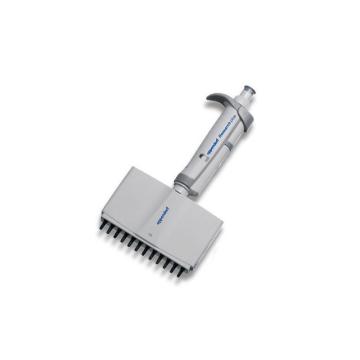
询价
-
询价
-
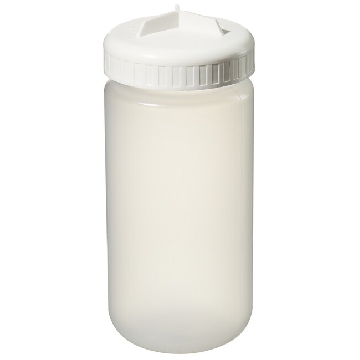
¥ 9737.84
-
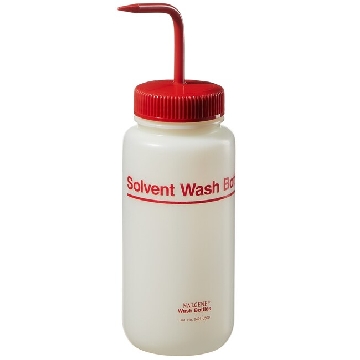
¥ 4390.38
-
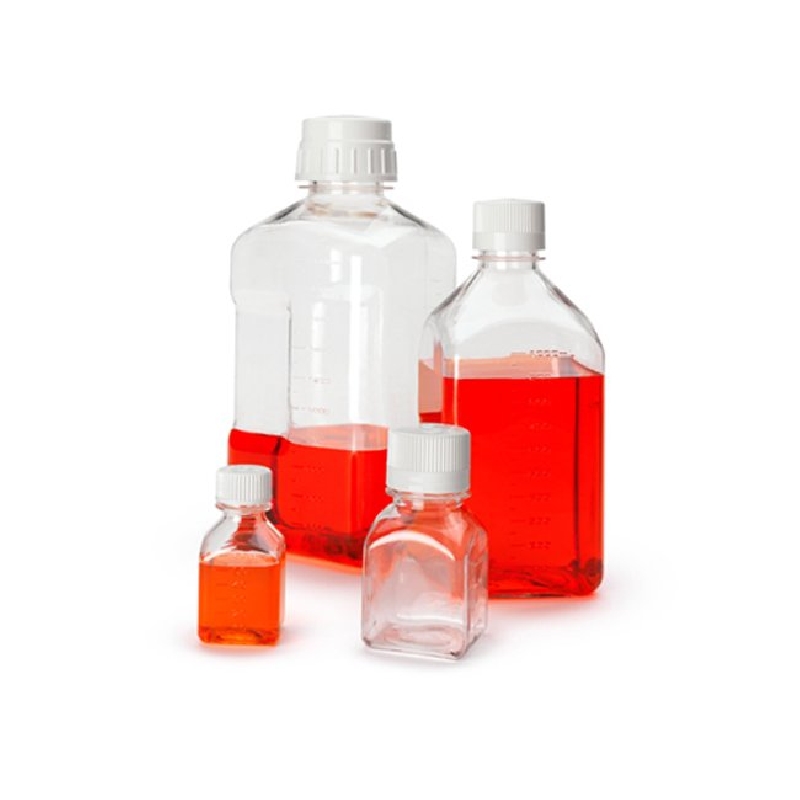
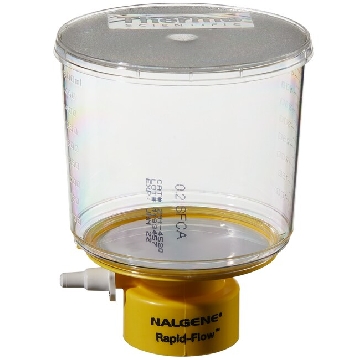 瓶顶过滤器-500ml容量,MF75TM系列,聚苯乙烯外壳,75mmSFCA滤膜,孔径0.2um,适合瓶颈尺寸45mm,12/箱,291-4520,Nalgene,Thermofisher,赛默飞世尔
¥ 2856.42
-

询价
-
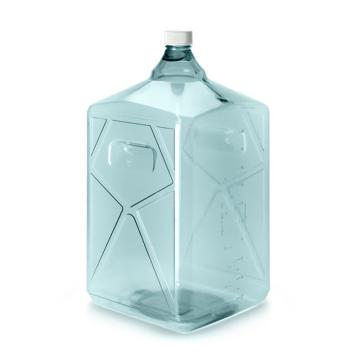
询价
-
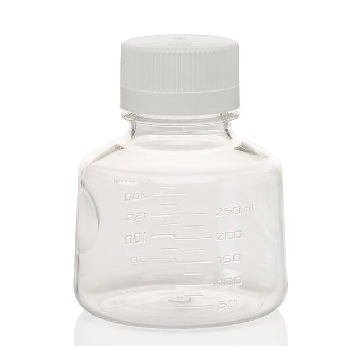
¥ 1156.91
-
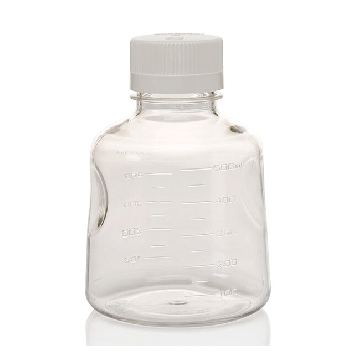
¥ 745.60
-
¥ 3852.13
-
¥ 8137.12
-
¥ 2406.69
-
¥ 2911.61
-
¥ 2288.54
-
询价









 微信小程序
7X24小时在线咨询
微信小程序
7X24小时在线咨询