



- 商品介绍
- 规格参数
- 包装参数
General description
ETS family members play an important role in mammalian development and have been implicated in the regulation of gene expression during a variety of biologic processes including cell growth and differentiation. Defects or deficiencies, as well as overexpression of ETS family members can have major developmental effects as well as aid in tumor development. ETS translocation variant 5 protein (ETV5) also known as ETS-related protein ERM is a nuclear localized protein that binds to DNA sequences containing the consensus nucleotide core sequence of GGAA and is a member of the very large ETS transcription factor family. Early experiments in worms suggested that ETV5 might play a role in the development of the dopaminergic nervous system; however that has not proved to be the case in mammals. However, more recent research has indicated ETV5 playing an important role in the development of reproduction and in the development of ovarian cancer. ETV5 controls the expression of critical prostaglandins needed for ovarian development and ETV5 deficient mice show complex infertility phenotypes both in males and females. In males, the infertility phenotype exhibited by ETV5 deficiency is sexually dimorphic, and it involves both somatic cells and germ cells. In Etv5-/- female mice, the problem is more complicated by hormonal involvement and results in more a complex phenotype. EMD-Millipore’s Anti-ETV5 mouse monoclonal antibody has been tested in western blot against Jurkat, NIH3T3 and MCF-7 cell lysates.
~58 kDa observed. Uncharacterized bands may appear in some lysate(s).
Immunogen
Purified recombinant fragment of human ETV5 expressed in E. Coli.
Application
Anti-ETV5 Antibody, clone 3H3 is a highly specific mouse monoclonal antibody & that targets Ets & has been tested in western blotting.
Research Category
Neuroscience
Research Sub Category
Developmental Neuroscience
Physical form
Mouse monoclonal IgG1 ascitic fluid containing up to 0.1% sodium azide.
Unpurified
Preparation Note
Stable for 1 year at -20°C from date of receipt.
Handling Recommendations: Upon receipt and prior to removing the cap, centrifuge the vial and gently mix the solution. Aliquot into microcentrifuge tubes and store at -20°C. Avoid repeated freeze/thaw cycles, which may damage IgG and affect product performance.
Analysis Note
Control
Jurkat, NIH/3T3 and MCF-7 cell lysates
Evaluated by Western Blotting in Jurkat, NIH/3T3 and MCF-7 cell lysates.
Western Blotting Analysis: A 1:500-2,000 dilution of this antibody detected ETV5 in Jurkat, NIH/3T3 and MCF-7 cell lysates.
Optimal working dilutions must be determined by end user.
Disclaimer
Unless otherwise stated in our catalog or other company documentation accompanying the product(s), our products are intended for research use only and are not to be used for any other purpose, which includes but is not limited to, unauthorized commercial uses, in vitro diagnostic uses, ex vivo or in vivo therapeutic uses or any type of consumption or application to humans or animals.
| biological source | mouse |
| Quality Segment | 100 |
| conjugate | unconjugated |
| antibody form | ascites fluid |
| antibody product type | primary antibodies |
| clone | 3H3, monoclonal |
| species reactivity | human |
| technique(s) | western blot: suitable |
| isotype | IgG1 |
| UniProt accession no. | P41161 |
| shipped in | wet ice |
| target post-translational modification | unmodified |
| Gene Information | human ... ETV5(2119) |
| 长度(mm) | |
| 宽度(mm) | |
| 高度(mm) | |
| 重量(kg) |
-
询价
-

¥ 1563.36
-
询价
-
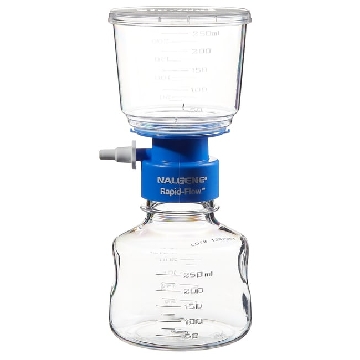
¥ 1866.29
-
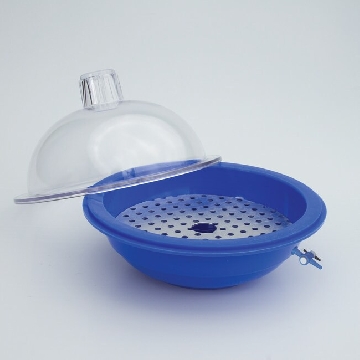
¥ 8293.41
-

询价
-
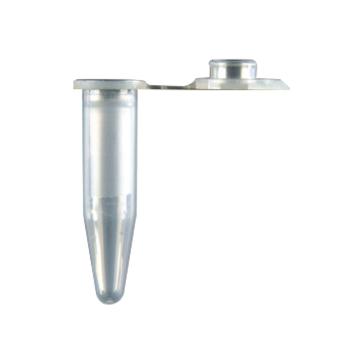
询价
-
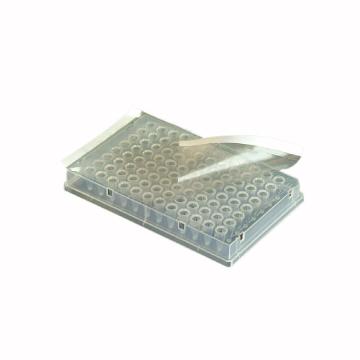
询价
-

¥ 8135.09
-

¥ 2883.61
-

¥ 15214.65
-
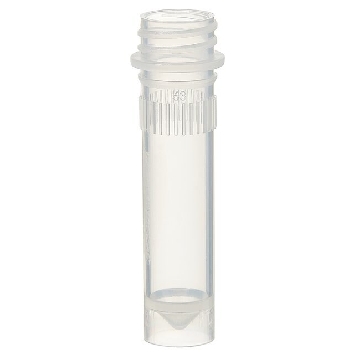
¥ 3319.60
-
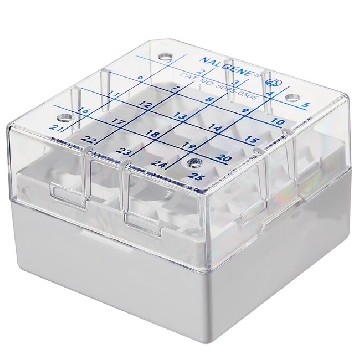
¥ 8137.12
-
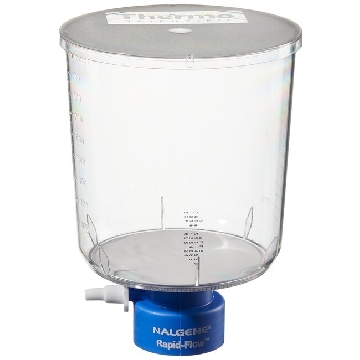
¥ 3476.87
-
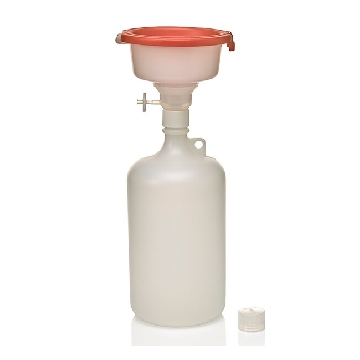
¥ 2173.94
-
 NALGENE 180透明塑料管,透明,柔软,多用,经济,内径 x 外径x壁厚,1/8 x 1/4 x 1/16,英寸,每箱数量50,50/箱,8000-0020,Thermofisher,赛默飞世尔
询价
-
¥ 70526.15
-
¥ 44224.19
-
¥ 8072.66
-
¥ 30616.15









 微信小程序
7X24小时在线咨询
微信小程序
7X24小时在线咨询