



- 商品介绍
- 规格参数
- 包装参数
General description
The antibodies localize the 48 kDa subunit of prostatic acid phosphatase in immunoblotting, using reducing and denaturing conditions, without cross-reactivity to prostate specific antigen or other human serum or tissue proteins.
Immunogen
human prostatic acid phosphatase
Biochem/physiol Actions
Prostatic acid phosphatase (PAP) is a non-specific phosphomonoesterase synthesized in prostate epithelial cells. The major function of PAP is the regulation of prostate cell growth. The levels of PAP serve as marker for prostate cancer progression. PAP has been reported to exhibit antinociceptive effect in neuropathic and inflammatory pain that is characteristic of cancer-induced bone pain.
Disclaimer
Unless otherwise stated in our catalog or other company documentation accompanying the product(s), our products are intended for research use only and are not to be used for any other purpose, which includes but is not limited to, unauthorized commercial uses, in vitro diagnostic uses, ex vivo or in vivo therapeutic uses or any type of consumption or application to humans or animals.
| biological source | mouse |
| Quality Segment | 200 |
| conjugate | unconjugated |
| antibody form | ascites fluid |
| antibody product type | primary antibodies |
| clone | PAP-12, monoclonal |
| contains | 15 mM sodium azide |
| species reactivity | human |
| technique(s) | indirect ELISA: 1:800 using purified preparation of human prostatic acid phosphatase |
| isotype | IgG1 |
| UniProt accession no. | P15309 |
| shipped in | dry ice |
| storage temp. | −20°C |
| target post-translational modification | unmodified |
| Gene Information | human ... ACPP(55) |
| 长度(mm) | |
| 宽度(mm) | |
| 高度(mm) | |
| 重量(kg) |
-
询价
-
询价
-
¥ 1683.78
-
询价
-
¥ 2013.69
-

¥ 5887.85
-
询价
-
询价
-
¥ 3372.68
-

询价
-
¥ 14407.09
-
¥ 2573.97
-
¥ 1509.00
-
¥ 2132.12
-
¥ 2173.94
-
¥ 2911.61
-

¥ 4614.63
-
¥ 3662.39
-
¥ 2754.43
-
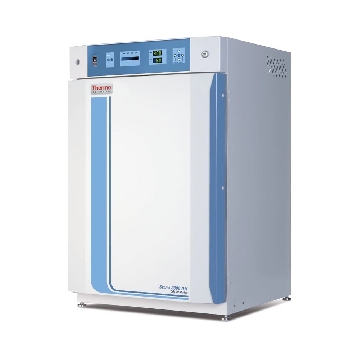
¥ 67162.32









 微信小程序
7X24小时在线咨询
微信小程序
7X24小时在线咨询