




- 商品介绍
- 规格参数
- 包装参数
General description
MYC oncogene is a global transcription factor. The gene is located on human chromosome 8q24.21. MYC oncogene is a cancer promoting gene.
Biochem/physiol Actions
C-myc oncogene has high proliferative capacity. Overexpression of this gene is associated with Burkitt lymphoma. C-myc oncogene is implicated in various malignant tumors, such as, leukemia, lymphoma and human solid tumor.
C-Myc is a transcription factor, often deregulated in cancer, that promotes cell proliferation, growth, differentiation, and apoptosis.
The universal deregulation of c-Myc gene expression in tumor cells suggests that this oncogene represents an attractive target for cancer therapeutic purposes. The c-Myc promoter integrates diverse mitogenic signaling cascades, which are constitutively activated in tumor cells, and translates them into expression of the c-Myc transcription factor, which promotes cell proliferation, growth, differentiation, and apoptosis by regulating the expression of numerous target genes. The structural and biochemical features of the MYC family (MYC, N-MYC, and L-MYC) mark them as direct regulators of gene expression. As basic helix-loop-helix leucine zipper proteins (bHLH-ZIP), the MYCs acquire the capacity to bind the DNA sequence CACGTG (E-box) when dimerized with MAX (another bHLH-ZIP, 4,5). A head-to-tail pair of MYC-MAX dimers may, in turn, form a heterotetramer capable of bridging distant E-boxes. Among the broadly distributed positive enforcers of MYC action that are often recruited to target genes are chromatin remodeling (SWI/SNF relatives) and modifying complexes (TRAPP/GCN5 and relatives); these complexes mobilize nucleosomes and acetylate histones and/or other targets to activate gene expression. MYC binds TBP along an auxiliary pathway to control gene expression. MAD and MNT generally oppose MYC action by enlisting histone deacetylase complexes. Besides acting at the level of chromatin, MYC may also operate at later stages of the transcription cycle, after pre-initiation complex formation. In addition to using generic chromatin complexes to up- or down-regulate transcription, the MYC network also conscripts individual factors to modify expression locally on an ad hoc basis. For example, YY1, AP2, MIZ1, SP1, BRCA1, and other proteins interact directly with MYC, and so may directly modify the output of the MYC network.
Physical form
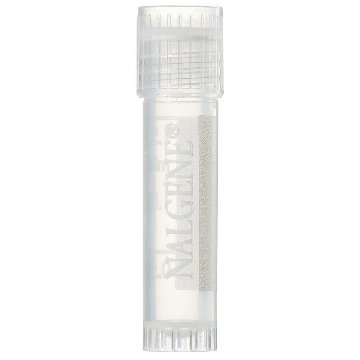
Clear and colorless frozen liquid solution
Preparation Note
Use a manual defrost freezer and avoid repeated freeze-thaw cycles. While working, please keep sample on ice.
| biological source | human |
| recombinant | expressed in E. coli |
| assay | ≥80% (SDS-PAGE) |
| form | frozen liquid |
| mol wt | ~50.4 kDa |
| packaging | pkg of 5 μg |
| storage condition | avoid repeated freeze/thaw cycles |
| concentration | 500 μg/mL |
| color | clear, colorless |
| NCBI accession no. | NM_002467 |
| UniProt accession no. | P01106 |
| shipped in | dry ice |
| storage temp. | −70°C |
| Gene Information | human ... MYC(4609) |
| 长度(mm) | |
| 宽度(mm) | |
| 高度(mm) | |
| 重量(kg) |
-
¥ 12156.68
-
询价
-
询价
-
询价
-

¥ 2528.88
-

¥ 4164.19
-
¥ 2622.09
-
询价
-
询价
-
询价
-
询价
-

¥ 8135.09
-
询价
-
询价
-

¥ 4390.38
-
¥ 4897.21
-
¥ 10277.12
-
¥ 2268.97
-
¥ 1476.00
-
¥ 3852.13









 微信小程序
7X24小时在线咨询
微信小程序
7X24小时在线咨询