


- 商品介绍
- 规格参数
- 包装参数
General description
The Collagenase-Elastase blend is a tissue dissociation enzyme cocktail for cell isolation. The tissue dissociation process consists in the release of functional and viable cells from animal tissue, with minimal impact on the cell’s viability. The main reagent used for the tissue dissociation process is Collagenase. Collagenases are enzymes that break down the native collagen that holds animal tissues together. The second enzyme found in our blend is Elastase: a serine protease that also hydrolyzes amides and esters. It is produced in the pancreas as an inactive zymogen and activated in the duodenum by trypsin. While elastase will hydrolyze a wide variety of protein substrates, it is unique among proteases in its ability to hydrolyze native elastin, a substrate not attacked by trypsin, chymotrypsin or pepsin. Elastin, a matrix component of tissues involved in stretching processes, is found in highest concentrations in the elastic fibers of connective tissues. Elastase is frequently used to dissociate tissues which contain extensive intercellular fiber networks. For this purpose, it is usually used with other enzymes such as collagenase, trypsin, and chymotrypsin. Elastase is the enzyme of choice for the isolation of Type II cells from the lung.
Biochem/physiol Actions
Collagenase: Effective release of cells from tissue requires the action of collagenase enzymes. Collagenase is activated by four-gram atom calcium (Ca2+) per mole enzyme. The pH optimum is 6.3-8.8. The enzyme is typically used to digest the connective components in tissue samples to liberate individual cells. Collagenase treatment can cause some cells to die. Typically, concentrations varying from 0.1 to 5 mg/mL are used for digestion. The duration of reaction varies from 15 minutes to several hours and yields satisfactory cell dissociation without causing too much cell death. Elastase: hydrolyses elastin, the specific protein of elastic fibers, and digests hemoglobin, casein and fibrin. It cleaves protein at the carboxyl side of small hydrophobic amino acids such as Ile, Gly, Ala, Ser, Val, and Leu. The enzyme also hydrolyzes amides and esters such as N-Benzoyl-L-alanine methyl ester. The pH optimum is found to be 8.0-8.5. It does not require any activator, but it is inhibited by diisopropyl fluorophosphate, phenylmethanesulfonyl fluoride, α2-macroglobulin, α1-antitrypsin, sulfonyl fluorides and p-dinitrophenyl diethylphosphate and high salt concentrations. It cleaves protein at the carboxyl side of small hydrophobic amino acids such as Ile, Gly, Ala, Ser, Val, and Leu. The enzyme also hydrolyzes amides and esters such as N-Benzoyl-L-alanine methyl ester.
Preparation Note
For a working concentration of: Collagenase of 1 mg/ml, Elastase 3 units/ml, reconstitute the lyophilized powder with 10 ml of Hank’s Balanced Salt solution with sodium bicarbonate, without phenol red, calcium chloride and magnesium sulfate (#H6648).
| Quality Level | 200 |
| assay | (enzymatic) |
| form | lyophilized powder |
| concentration | 1 mg/mL (Collagenase) |
| technique(s) | cell culture | mammalian: suitable |
| shipped in | dry ice |
| storage temp. | -10 to -25°C |
| 长度(mm) | |
| 宽度(mm) | |
| 高度(mm) | |
| 重量(kg) |
-
¥ 2707.32
-
询价
-
¥ 1596.77
-
询价
-
询价
-
询价
-
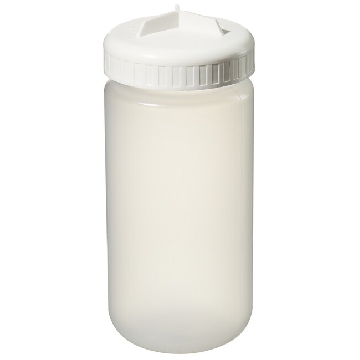
¥ 9737.84
-
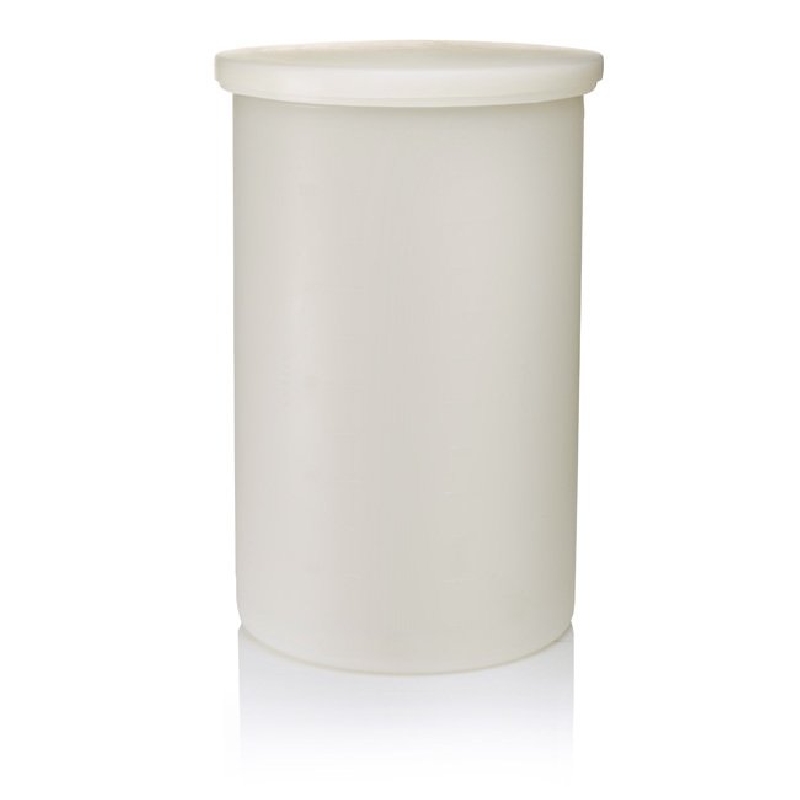
询价
-
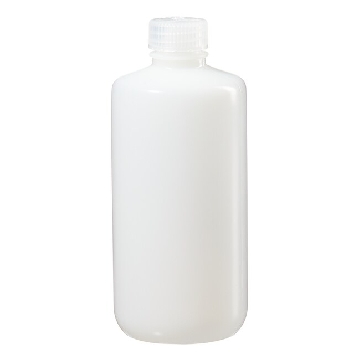
¥ 3290.05
-
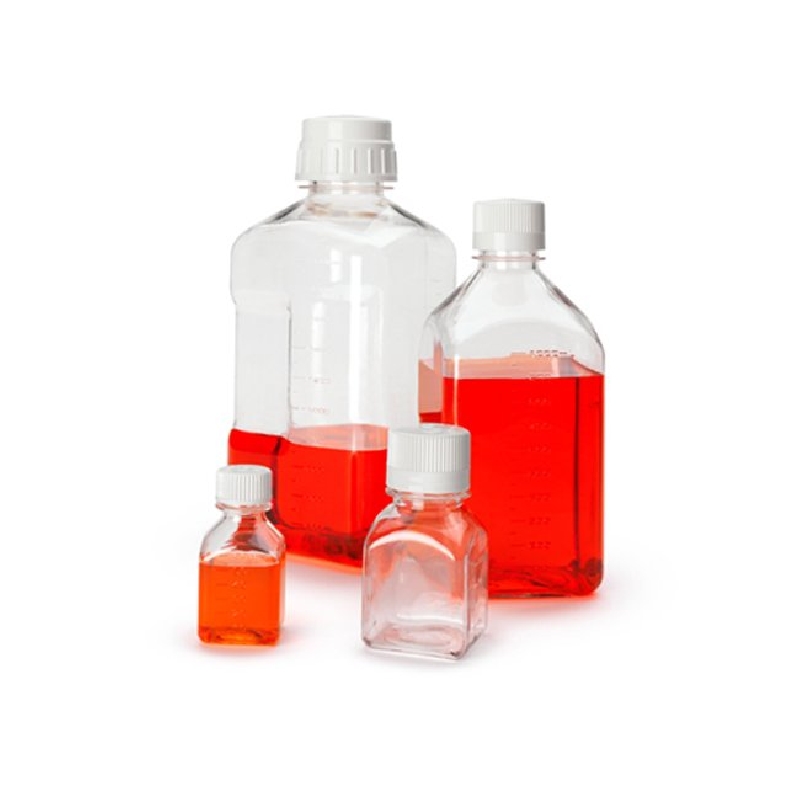
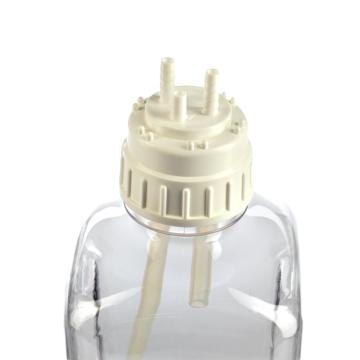
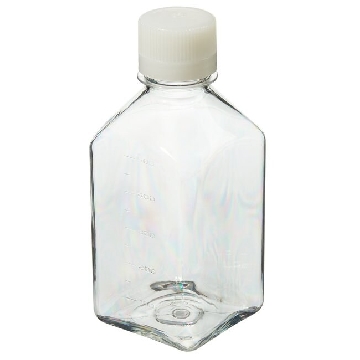 无菌,PETG 方形有刻度培养基瓶,带盖,聚对苯二酸乙二醇酯共聚物,天然高密度聚乙烯盖,500毫升容量,每箱40,40/箱,342020-0500,Nalgene,Thermofisher,赛默飞世尔
¥ 3684.34
-
询价
-
¥ 1196.14
-
¥ 2869.87
-
¥ 2911.61
-
 NNALGENE 180透明塑料管,透明,柔软,多用,经济,内径 x 外径x壁厚,1/4 x 1/2 x 1/8,英寸,每箱数量50,50/箱,8000-0080,Thermofisher,赛默飞世尔
询价
-
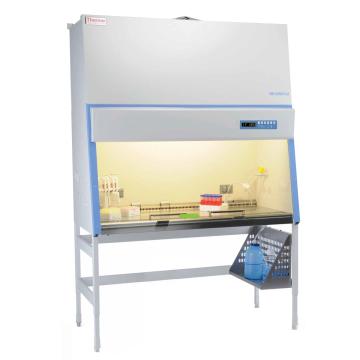
¥ 56581.65
-
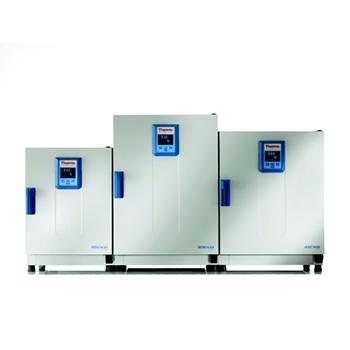
询价
-
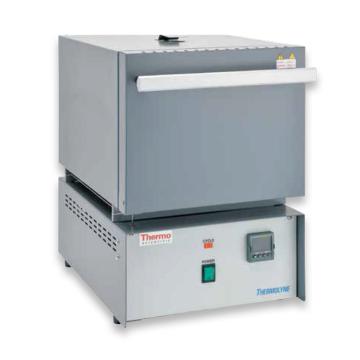
¥ 25008.19
-
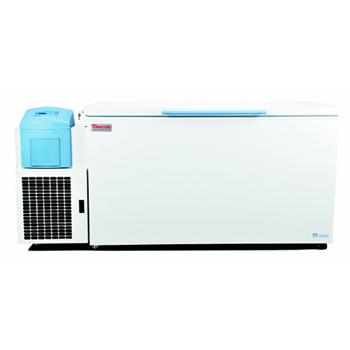
询价
-
¥ 42661.77









 微信小程序
7X24小时在线咨询
微信小程序
7X24小时在线咨询