



- 商品介绍
- 规格参数
- 包装参数
General description
Protein TMEPAI (UniProt: Q969W9; also known as Prostate transmembrane protein androgen induced 1, Solid tumor-associated 1 protein, Transmembrane prostate androgen-induced protein) is encoded by the PMEPA1 (also known as STAG1, TMEPAI) gene (Gene ID: 56937) in human. TMEPAI is a type Ib transmembrane protein containing two TMEPAI contains 2 WW-binding motifs and a SMAD interaction motif. The WW-binding motifs mediate its interaction with NEDD4 and the SMAD interaction motif is required for interaction with SMAD2 and SMAD3 and for the negative regulation of TGF-beta signaling. TMEPAI antagonizes TGF-beta signaling by interfering with TGF-beta type I receptor-induced R-SMAD phosphorylation. It competes with SMAD anchor for receptor activation for R-SMAD binding, thereby sequestering R-SMADs from TGF-beta receptor I kinase activation. By acting as a negative regulator of TGF-beta signaling, TMEPAI plays a role in cell proliferation, differentiation, apoptosis, motility, extracellular matrix production, and immunosuppression. Higher expression of TMEPAI is observed in prostate and ovaries and the expression can be up-regulated by androgen and TGF-beta (at protein level).TMEPAI is constitutively and highly expressed in many types of cancer and has been implicated in poor prognosis. TMEPAI is also reported to be involved in down-regulation of the androgen receptor (AR), enhancing ubiquitination and proteasome-mediated degradation of AR. (Ref.: Nguyen THV et al. (2014). Cancer Sci. 105: 334 341; Watanabe, Y et al. (2010). Mol. Cell 37(1): 123-134).
~32 kDa observed; 31.61 kDa calculated. Uncharacterized bands may be observed in some lysate(s).
Immunogen
GST-tagged recombinant fragment corresponding to 39 amino acids from the C-terminal region of human TMEPAI.
Application
Immunoprecipitation Analysis: A representative lot detected TMEPAI in Immunoprecipitation applications (Vo Nguyen, T.T., et. al. (2014). Cancer Sci. 105(3):334-41).
Western Blotting Analysis: A representative lot detected TMEPAI in lysate from COS-7 cells overexpressing TEMPAI. (Courtesy of Yukihide Watanabe, Ph.D. and Mitsuyasu Kato, Ph.D., University of Tsukuba, Japan).
Western Blotting Analysis: 8 ug/mL from a representative lot detected TMEPAI in TGF-beta stimulated HaCaT cell lysates (Courtesy of Yukihide Watanabe, Ph.D. and Mitsuyasu Kato, Ph.D., University of Tsukuba, Japan).
Immunocytochemistry Analysis: A representative lot detected TMEPAI in Immunocytochemistry applications (Vo Nguyen, T.T., et. al. (2014). Cancer Sci. 105(3):334-41).
Western Blotting Analysis: A representative lot detected TMEPAI in Western Blotting applications (Vo Nguyen, T.T., et. al. (2014). Cancer Sci. 105(3):334-41).
Research Category
Cell Structure
This mouse monoclonal Anti-TMEPAI, Antibody, clone 9F10, Cat. No. MABS1905 is used in Immunocytochemistry, Immunoprecipitation, and Western blotting for the detection of TMEPAI.
Biochem/physiol Actions
Clone 9F10 detects TMEPAI in COS-7 cells overexpressing TEMPAI. It targets an epitope of 39 amino acids from the C-terminal region in isoform 1. Also shows reactivity with isoform 2 that has 100% sequence homology in this epitope region.
Physical form
Protein G purified
Purified mouse monoclonal antibody IgG1 in buffer containing 0.1 M Tris-Glycine (pH 7.4), 150 mM NaCl with 0.05% sodium azide.
Format: Purified
Preparation Note
Stable for 1 year at 2-8°C from date of receipt.
Analysis Note
Evaluated by Western Blotting in COS-7 overexpressing TMEPAI lysate.
Western Blotting Analysis: 0.02 µg/mL of this antibody detected TMEPAI in 45 µg of lysate from COS-7 cells overexpressing TMEPAI.
Other Notes
Concentration: Please refer to lot specific datasheet.
Disclaimer
Unless otherwise stated in our catalog or other company documentation accompanying the product(s), our products are intended for research use only and are not to be used for any other purpose, which includes but is not limited to, unauthorized commercial uses, in vitro diagnostic uses, ex vivo or in vivo therapeutic uses or any type of consumption or application to humans or animals.
| biological source | mouse |
| Quality Segment | 100 |
| conjugate | unconjugated |
| antibody form | purified immunoglobulin |
| antibody product type | primary antibodies |
| clone | 9F10, monoclonal |
| species reactivity | human, monkey |
| technique(s) | immunocytochemistry: suitable,immunoprecipitation (IP): suitable,western blot: suitable |
| isotype | IgG1κ |
| NCBI accession no. | NP_064567 |
| UniProt accession no. | Q969W9 |
| shipped in | ambient |
| target post-translational modification | unmodified |
| Gene Information | human ... PMEPA1(56937) |
| 长度(mm) | |
| 宽度(mm) | |
| 高度(mm) | |
| 重量(kg) |
-
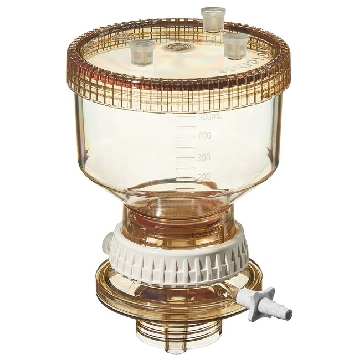
¥ 1779.22
-
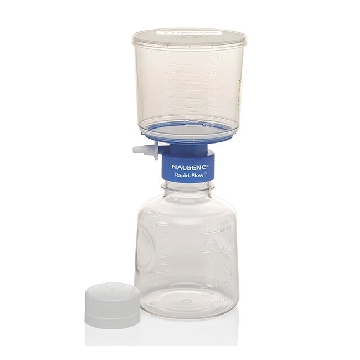
¥ 2068.25
-
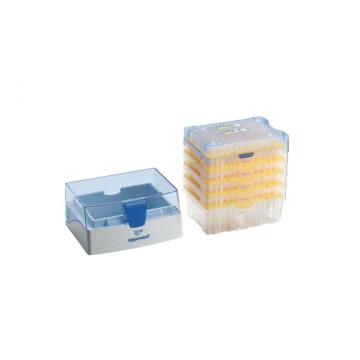
询价
-
询价
-
询价
-
询价
-
询价
-
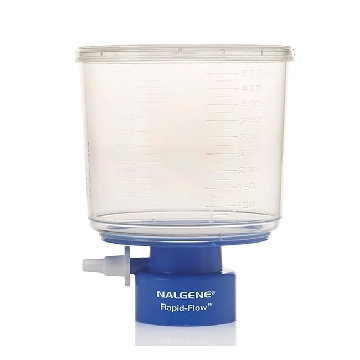
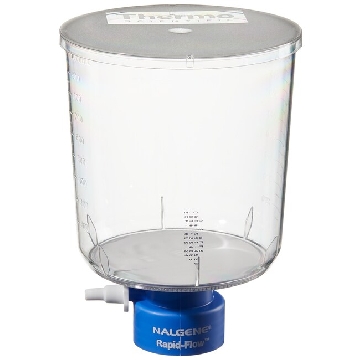
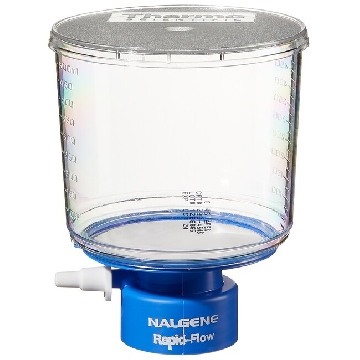 瓶顶过滤器-500ml容量,MF75TM系列,聚苯乙烯外壳,75mmPES滤膜,孔径0.45um,适合瓶颈尺寸33mm,12/箱,295-3345,Nalgene,Thermofisher,赛默飞世尔
¥ 1938.54
-
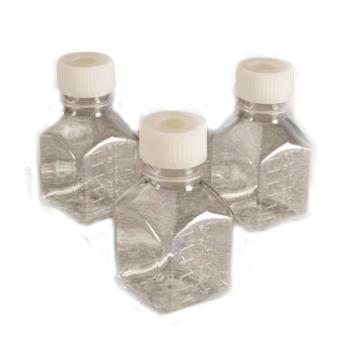
¥ 8982.64
-

¥ 2617.87
-
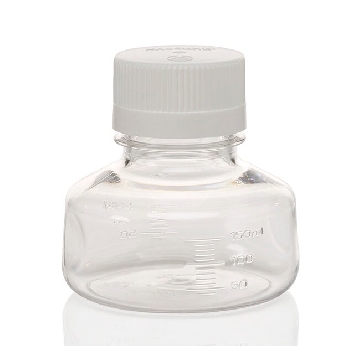
¥ 1749.15
-
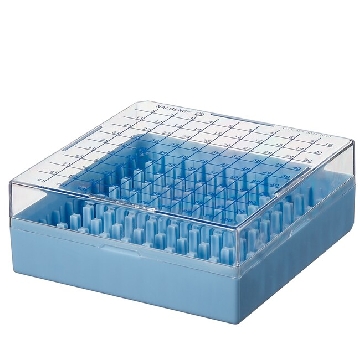
¥ 1783.21
-
¥ 2132.12
-
¥ 3896.11
-

¥ 2911.61
-

¥ 5804.96
-

询价
-
询价
-
¥ 56581.65
-
询价









 微信小程序
7X24小时在线咨询
微信小程序
7X24小时在线咨询