



- 商品介绍
- 规格参数
- 包装参数
General description
The protein encoded by this gene is the founding member of the protein tyrosine phosphatase (PTP) family, which was isolated and identified based on its enzymatic activity and amino acid sequence. PTPs catalyze the hydrolysis of the phosphate monoesters specifically on tyrosine residues. Members of the PTP family share a highly conserved catalytic motif, which is essential for the catalytic activity. PTPs are known to be signaling molecules that regulate a variety of cellular processes including cell growth, differentiation, mitotic cycle, and oncogenic transformation. This PTP has been shown to act as a negative regulator of insulin signaling by dephosphorylating the phosphotryosine residues of insulin receptor kinase. This PTP was also reported to dephosphorylate epidermal growth factor receptor kinase, as well as JAK2 and TYK2 kinases, which implicated the role of this PTP in cell growth control, and cell response to interferon stimulation. Two transcript variants encoding different isoforms have been found for this gene. [provided by RefSeq, Jul 2013]/The protein encoded by this gene is a member of the protein tyrosine phosphatase (PTP) family. Members of the PTP family share a highly conserved catalytic motif, which is essential for the catalytic activity. PTPs are known to be signaling molecules that regulate a variety of cellular processes including cell growth, differentiation, mitotic cycle, and oncogenic transformation. Epidermal growth factor receptor and the adaptor protein Shc were reported to be substrates of this PTP, which suggested the roles in growth factor mediated cell signaling. Multiple alternatively spliced transcript variants encoding different isoforms have been found. Two highly related but distinctly processed pseudogenes that localize to chromosomes 1 and 13, respectively, have been reported. [provided by RefSeq, May 2011]
We are committed to bringing you Greener Alternative Products. This product is a Design for Sustainability (DfS) developed product, which belongs to one of the four categories of greener alternatives. Click here to view its DfS scorecard.
Immunogen
A synthesized peptide corresponding to a sequence within amino acids 11-66 of human PTPN1/2 [NP_002819.2].
Physical form
Solution in PBS (pH 7.4) containing 50% glycerol, and 0.02% sodium azide.
Other Notes
Gently mix before use. Optimal concentrations and conditions for each application should be determined by the user.
| biological source | rabbit (Monoclonal) |
| Quality Segment | 100 |
| recombinant | expressed in HEK 293 cells |
| conjugate | unconjugated |
| antibody form | affinity isolated antibody |
| antibody product type | primary antibodies |
| clone | 24GB1130, recombinant monoclonal |
| form | buffered aqueous glycerol solution |
| mol wt | 50,48 kDa |
| species reactivity | human, rat |
| packaging | vial of 1.5 mL |
| enhanced validation | recombinant expression Learn more about Antibody Enhanced Validation |
| sustainability | Greener Alternative Product |
| concentration | 0.5 mg/ml |
| technique(s) | flow cytometry: 1:2000,western blot: 1:1,000-1:5,000 |
| isotype | IgG |
| Ensembl | human accession no. | ENSG00000196396/ENSG00000175354 |
| NCBI accession no. | NP_002819.2 |
| UniProt accession no. | P18031/ P17706 |
| greener alternative category | DfS-Developed |
| shipped in | wet ice |
| storage temp. | −20°C |
| target post-translational modification | unmodified |
| 长度(mm) | |
| 宽度(mm) | |
| 高度(mm) | |
| 重量(kg) |
-
询价
-

¥ 1148.92
-

¥ 4164.19
-
询价
-
询价
-
¥ 3275.78
-
询价
-
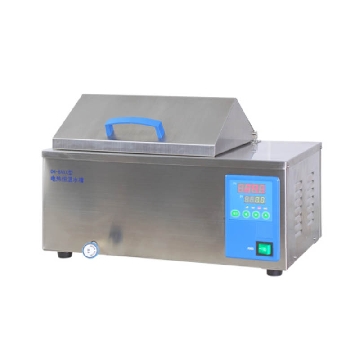
询价
-
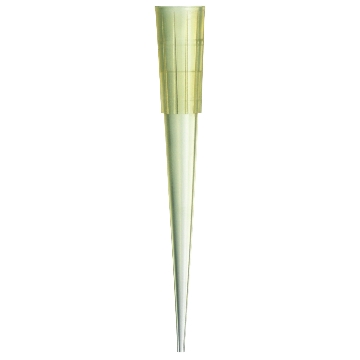
¥ 238.17
-
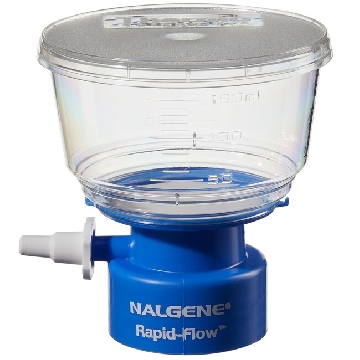
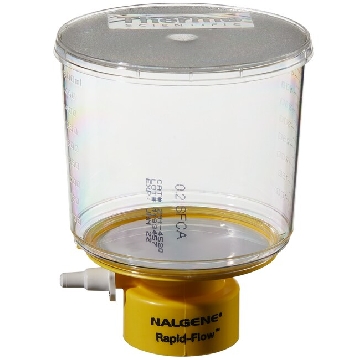 瓶顶过滤器-500ml容量,MF75TM系列,聚苯乙烯外壳,75mmSFCA滤膜,孔径0.2um,适合瓶颈尺寸45mm,12/箱,291-4520,Nalgene,Thermofisher,赛默飞世尔
¥ 2856.42
-
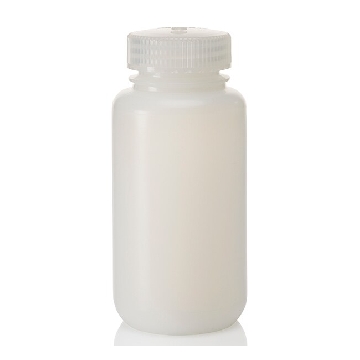
¥ 4897.21
-
¥ 2307.00
-
¥ 5061.38
-
¥ 1476.40
-
¥ 3404.94
-
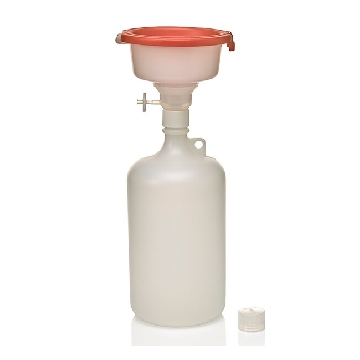
¥ 2173.94
-
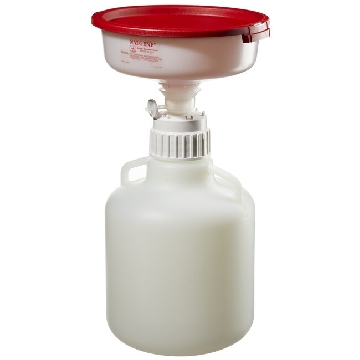
¥ 2911.61
-

询价
-
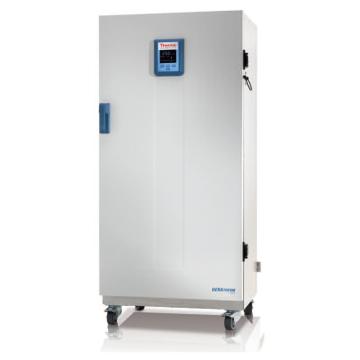
¥ 51018.02
-
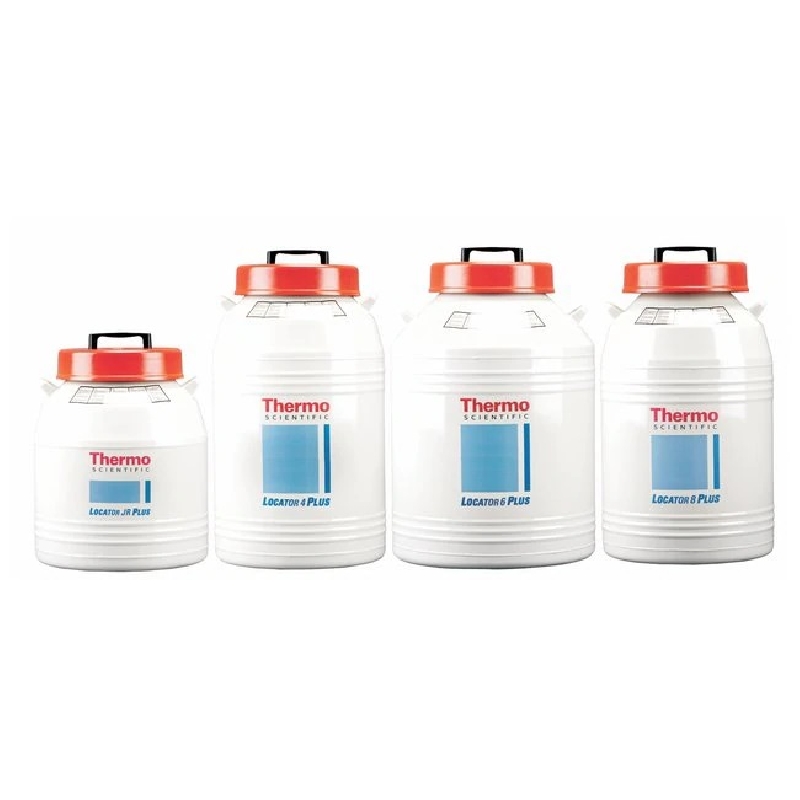
¥ 51962.23









 微信小程序
7X24小时在线咨询
微信小程序
7X24小时在线咨询