




- 商品介绍
- 规格参数
- 包装参数
General description
Lot specific orders are not able to be placed through the web. Contact your local sales rep for more details.
Bovine large artery endothelial cells (BPAEC) provide an excellent model system to study many aspects of cardiovascular function and disease, for example to investigate critical signaling pathways and mechanisms relevant to proper endothelial function, such as angiogenesis, permeability, NO production, etc., and search for beneficial modulators for therapeutic use, study diabetes-associated complications related to cardiovascular function, investigate mechanisms of endothelial dysfunction related to environmental pollution, smoking, oxidative stress and inflammation and search for potential treatments, and develop layered co-cultures of liver and endothelial cells that demonstrate superior liver-specific features.
BPAEC have been utilized in multiple research publications, for example to:
- Determine that induction of cellular antioxidant glutathione during moderate oxidative stress involves ARE-binding factors in a MAP kinase independent mechanism (Day, 2003)
- Show that HGF transiently increases transcription of angiotensin-converting enzyme gene via activation of Egr-1, whereas PMA regulation involves Egr-1 and additional factors (Day, 2004)
- Elucidate the therapeutic effects of Angiotensin I-converting enzyme (ACE) inhibitors, and the results revealed that they provide an additional benefit to patients by activating bradykinin B1 receptor leading to prolonged nitric oxide (NO) production in endothelial cells (Ignjatovic, 2004)
- Demonstrate that thiol-reactive compounds in cigarette smoke activate NADPH oxidase and increase superoxide anion production, reducing NO levels and resulting in endothelial dysfunction (Jaimes, 2004)
- Reveal that mercury, a risk factor for cardiovascular diseases, induces PLA2 activation in endothelial cells, followed by PLD activation, and the process is mediated by thiol-redox alteration, ROS and Ca2+/calmodulin (Hagele, 2006, 2007; Mazerik, 2007; Peltz, 2009; Sherwani, 2013)
- Demonstrate that adiponectin protects against the hyperoxia-induced endothelial barrier dysfunction and lung damage by relieving oxidative stress and normalizing thiol-redox status (Sliman, 2013)
- Show that TGF-β1–induced endothelial permeability involves focal adhesion and cytoskeletal rearrangement through both FAK/Src-dependent and -independent pathways (Lee, 2007)
- Demonstrate that exposure to lipopolysaccharides inhibits AMPK (which is required for normal endothelial barrier function) and causes endothelial hyperpermeability and lung injury (Xing, 2013)
- Demonstrate the effectiveness of myosin light chain kinase inhibitors in decreasing endothelial hyperpermeability (Marchenko, 2010)
- Show that angiotensin II-induced apoptosis relies on activation of AMPK for ATP production, as well as for activation of SHP-2 in a signaling cascade leading to Bcl-x(L) mRNA destabilization (Day, 2011)
- Evaluate therapeutic potential of aminoguanidine in protecting endothelia from hyperglycemic complications in diabetes by blocking the reactivity of the sugar-derived dicarbonyls and preventing the formation of advanced glycation end products (Sliman, 2010)
- Demonstrate the roles of Egr-1, ATF-2 and Ets-1 in the regulation of angiotensin converting enzyme promoter by phorbol ester (Mungunsukh, 2008)
- Develop a therapeutic peptide based on a fragment of Listeria monocytogenes internalin B that prevented angiotensin II-induced apoptosis and stimulated proliferation and cell motility by activating ERK1/2, STAT3, and phosphatidylinositol 3-kinase/Akt pathways (Mungunsukh, 2010)
- Develop layered co-cultures of liver and endothelial cells that demonstrate superior liver-specific features (Ohno, 2008, 2009a, b)
Application
cardiovascular function, screening of drug candidates, angiogenesis, vasodilator function, transport of deoxygenated bloood from heart to lungs
Biochem/physiol Actions
Artery
Preparation Note
- 2nd passage, >500,000 cells in Bovine Endothelial Cell Growth Medium containing 10% FBS & 10% DMSO
- Can be cultured at least 16 doublings
Please refer to the BPAEC Culture Protocol.
Other Notes
Bovine Endothelial Cell Growth Medium containing 10% FBS & 10% DMSO
| biological source | bovine pulmonary artery (USDA-inspected cattle) |
| packaging | pkg of 500,000 cells |
| manufacturer/tradename | Cell Applications, Inc |
| growth mode | Adherent |
| karyotype | 2n = 60 |
| morphology | Endothelial |
| technique(s) | cell culture | mammalian: suitable |
| relevant disease(s) | diabetes; cardiovascular diseases |
| storage temp. | −196°C |
| 长度(mm) | |
| 宽度(mm) | |
| 高度(mm) | |
| 重量(kg) |
-
询价
-
询价
-

¥ 8293.41
-
询价
-
¥ 1724.25
-
询价
-
¥ 10277.12
-

询价
-
¥ 2307.00
-
¥ 3031.24
-
¥ 2406.69
-
¥ 3896.11
-
¥ 1351.48
-
¥ 37675.92
-
¥ 39793.68
-
¥ 51018.02
-
¥ 22322.85
-
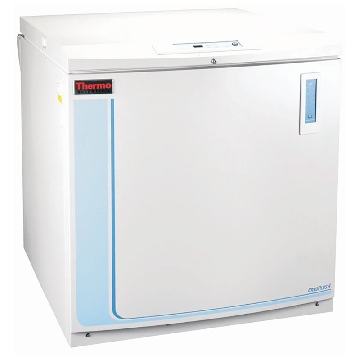
¥ 205945.25
-
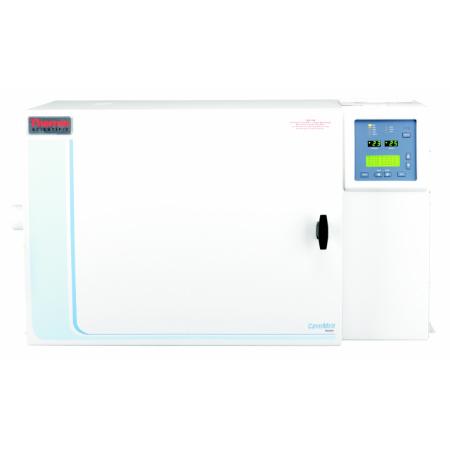
询价
-
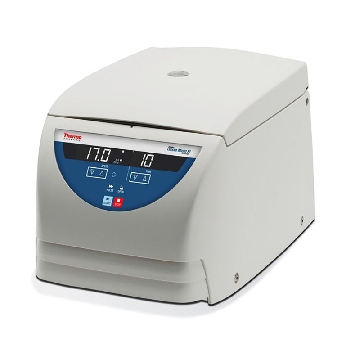
¥ 22137.02









 微信小程序
7X24小时在线咨询
微信小程序
7X24小时在线咨询