


- 商品介绍
- 规格参数
- 包装参数
General description
Monoclonal Anti-Maltose Binding Protein (MBP) (mouse IgG1 isotype) is derived from the hybridoma MBP-17 produced by the fusion of mouse myeloma cells and splenocytes from BALB/c mice immunized with a purified recombinant MBP fusion protein. Fibronectin (FN), also known as Cold-insoluble globulin (CIG), is a multi-domain glycoprotein composed of two nearly identical disulfide-bound polypeptides. It is widely expressed by multiple cell types and is critically important in vertebrate development, as demonstrated by the early embryonic lethality of mice with targeted inactivation of the FN1 gene 6. In vertebrates, two types of Fibronectin are present: soluble plasma Fibronectin and insoluble cellular Fibronectin. The plasma form of Fibronectin is synthesized by hepatocytes, secreted to blood and, upon tissue injury, is incorporated into fibrin clots to exert effects on platelet function and to mediate hemostasis. Cellular Fibronectin is synthesized by many cell types, including fibroblasts, endothelial cells, chondrocytes, synovial cells and myocytes, it is assembled by cells as they migrate into the clot to reconstitute damaged tissue.
Immunogen
Fibronectin isolated from human plasma.
Application
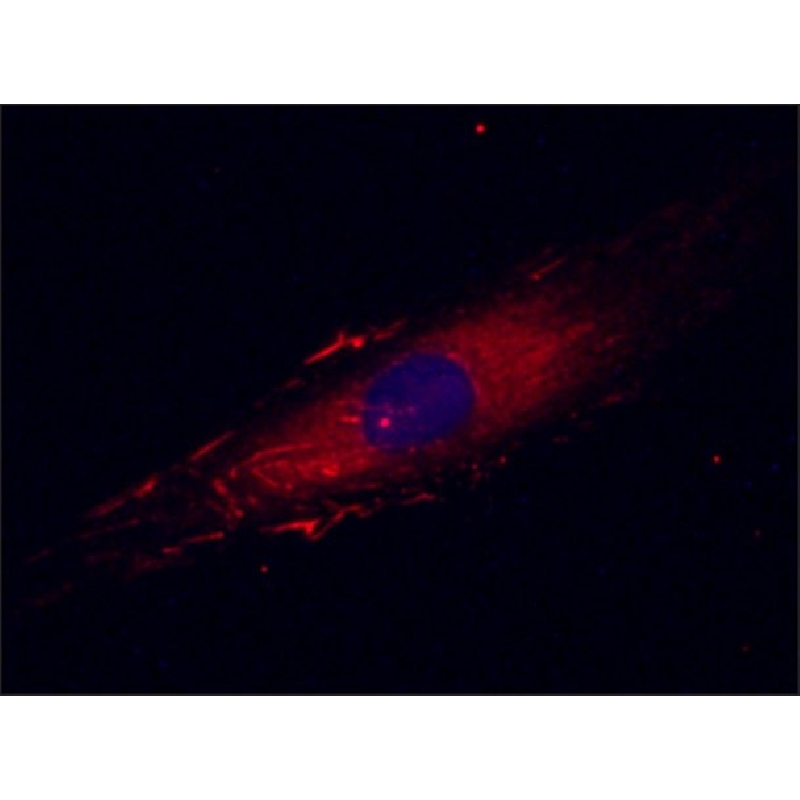
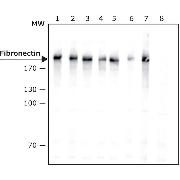
The antibody may be used in various immunochemical techniques including Immunoblotting (∼220-260kDa)1, ELISA, Immunofluorescence, Immunohistochemistry and Immunoprecipitation.
Biochem/physiol Actions
Anti-Fibronectin antibody, Mouse monoclonal specifically recognizes Fibronectin from plasma and in the pericellular extracellular matrix of cultured fibroblasts from human and mouse origin.
The plasma form of Fibronectin is synthesized by hepatocytes, secreted to blood and, upon tissue injury, is incorporated into fibrin clots to exert effects on platelet function and to mediate hemostasis. Cellular Fibronectin is synthesized by many cell types, including fibroblasts, endothelial cells, chondrocytes, synovial cells and myocytes, it is assembled by cells as they migrate into the clot to reconstitute damaged tissue.
Physical form
Supplied as a solution in 0.01 M phosphate buffered saline pH 7.4, containing 15 mM sodium azide as a preservative.
Other Notes
In order to obtain best results in different techniques and preparations we recommend determining optimal working concentration by titration test.
| biological source | mouse |
| Quality Level | 200 |
| antibody form | purified from hybridoma cell culture |
| antibody product type | primary antibodies |
| clone | FN-15, monoclonal |
| form | buffered aqueous solution |
| mol wt | 220-260 kDa |
| species reactivity | human, mouse |
| concentration | ~1 mg/mL |
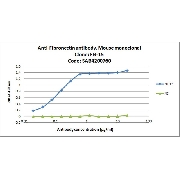
| technique(s) | immunoblotting: 0.3-0.6 μg/mL using human fetal fibroblast-like WI-38 cell line extract,immunofluorescence: 2.5-5 μg/mL using human foreskin fibroblast Hs68 cells,immunohistochemistry: suitable,immunoprecipitation (IP): suitable,indirect ELISA: 0.15-0.3 μg/mL using 5 μg/mL Fibronectin from human plasma for coating |
| isotype | IgG1 |
| UniProt accession no. | P02751 |
| shipped in | dry ice |
| storage temp. | −20°C |
| target post-translational modification | unmodified |
| Gene Information | human ... FN1(2335) |
| 长度(mm) | |
| 宽度(mm) | |
| 高度(mm) | |
| 重量(kg) |
-
¥ 1148.92
-
¥ 1779.22
-
询价
-
询价
-
¥ 6894.69
-
询价
-
询价
-
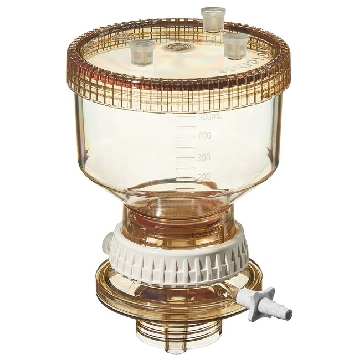
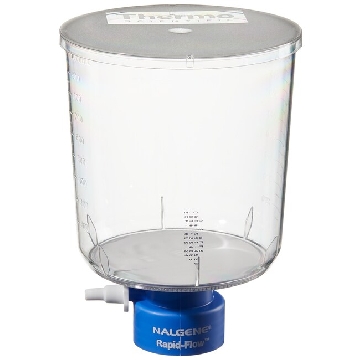
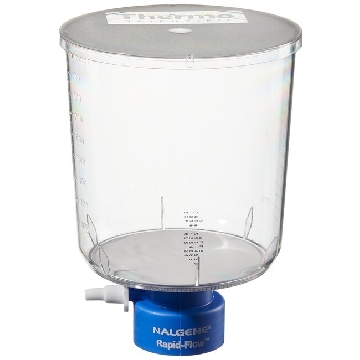
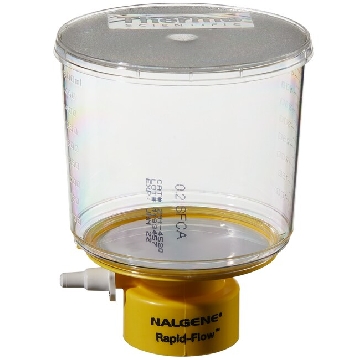 瓶顶过滤器-500ml容量,MF75TM系列,聚苯乙烯外壳,75mmSFCA滤膜,孔径0.2um,适合瓶颈尺寸45mm,12/箱,291-4520,Nalgene,Thermofisher,赛默飞世尔
¥ 2856.42
-
¥ 10277.12
-
¥ 2573.97
-

询价
-
询价
-
¥ 2307.00
-
¥ 1509.00
-
¥ 1301.36
-
¥ 4011.97
-
¥ 1586.69
-
¥ 3896.11
-
¥ 3476.87
-
¥ 2911.61









 微信小程序
7X24小时在线咨询
微信小程序
7X24小时在线咨询