




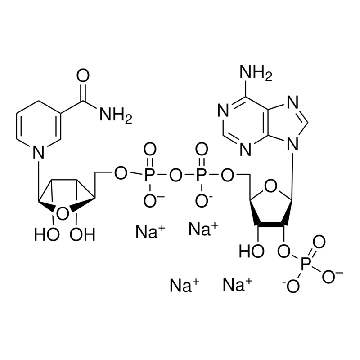
- 商品介绍
- 规格参数
- 包装参数
Application
L-Alanine dehydrogenase converts L-alanine to pyruvate and ammonium. L-Alanine dehydrogenase from Bacillus subtilis may be used to study enzyme inactivation and protection .
Biochem/physiol Actions
L-Alanine dehydrogenase is an A-stereospecific dehydrogenase that catalyzes the reversible deamination of L-alanine to pyruvate and ammonium. It is important for the generation of pyruvate during sporulation. L-Alanine dehydrogenase from Bacillus subtilis has a predominately ordered kinetic mechanism in which NAD binds before L-alanine. Subsequently, ammonia, pyruvate, and NADH are released in that specific order. Optimal pH for the amination reaction is 8.8-9.0, whereas it is 10-10.5 for the deamination reaction. The enzyme is inactivated by divalent metal ions and p-chloromercuribenzoate, mercuric ion being most effective. The inactivation may be reversed by L- or D-cysteine.
Physical form
Solution in 50% glycerol containing 10 mM potassium phosphate buffer, pH 7.7
Other Notes
One unit will convert 1.0 μmole of
| biological source | Bacillus subtilis |
| Quality Level | 200 |
| form | buffered aqueous glycerol solution |
| specific activity | ~30 units/mg protein (Lowry) |
| foreign activity | LDH ~1% (using pyruvate as substrate) |
| storage temp. | −20°C |
| 长度(mm) | |
| 宽度(mm) | |
| 高度(mm) | |
| 重量(kg) |
-
询价
-
¥ 1148.92
-
询价
-
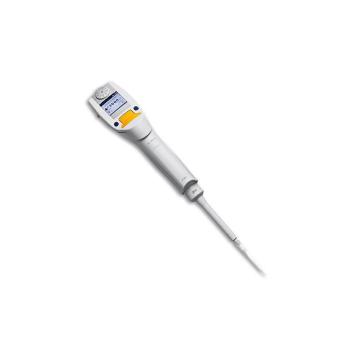
询价
-
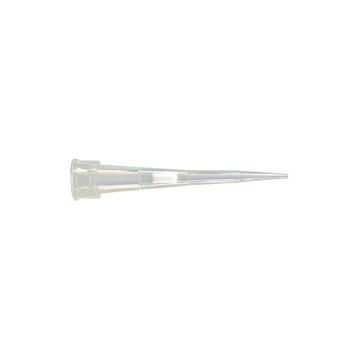
询价
-
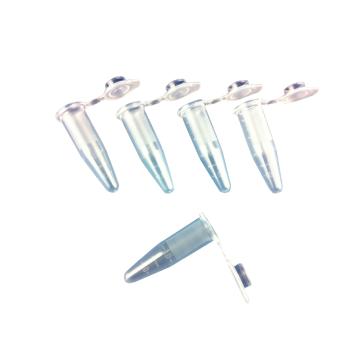
询价
-
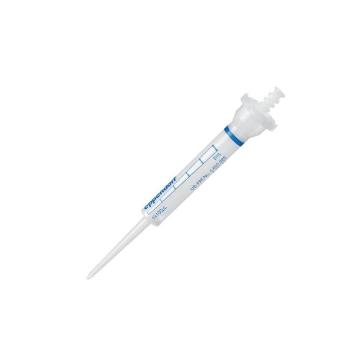
询价
-
询价
-
询价
-
询价
-
¥ 10277.12
-
¥ 1509.00
-
询价
-
询价
-
¥ 64659.66
-
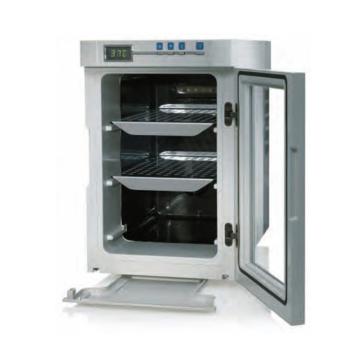
¥ 8072.66
-
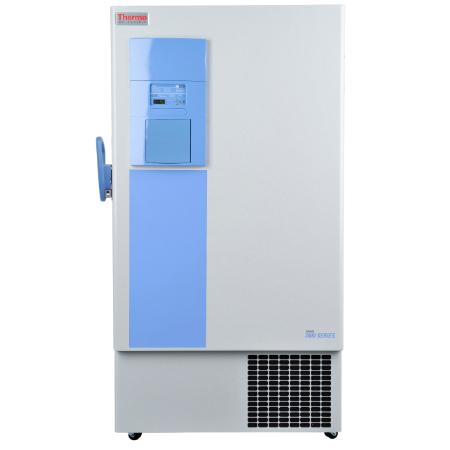
询价
-
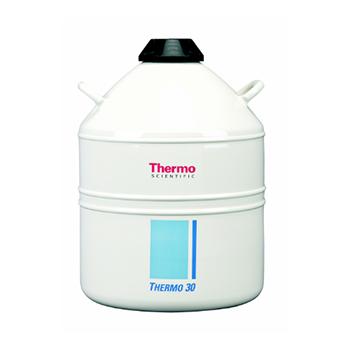
¥ 15894.19
-
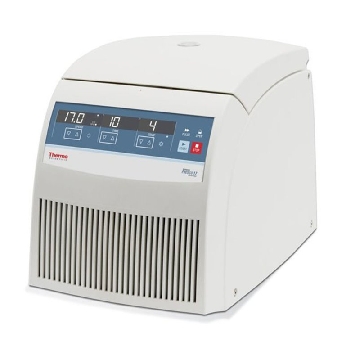
¥ 57595.03
-
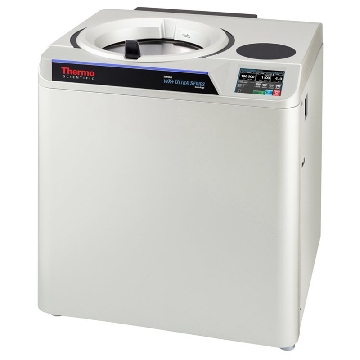
¥ 390328.90









 微信小程序
7X24小时在线咨询
微信小程序
7X24小时在线咨询